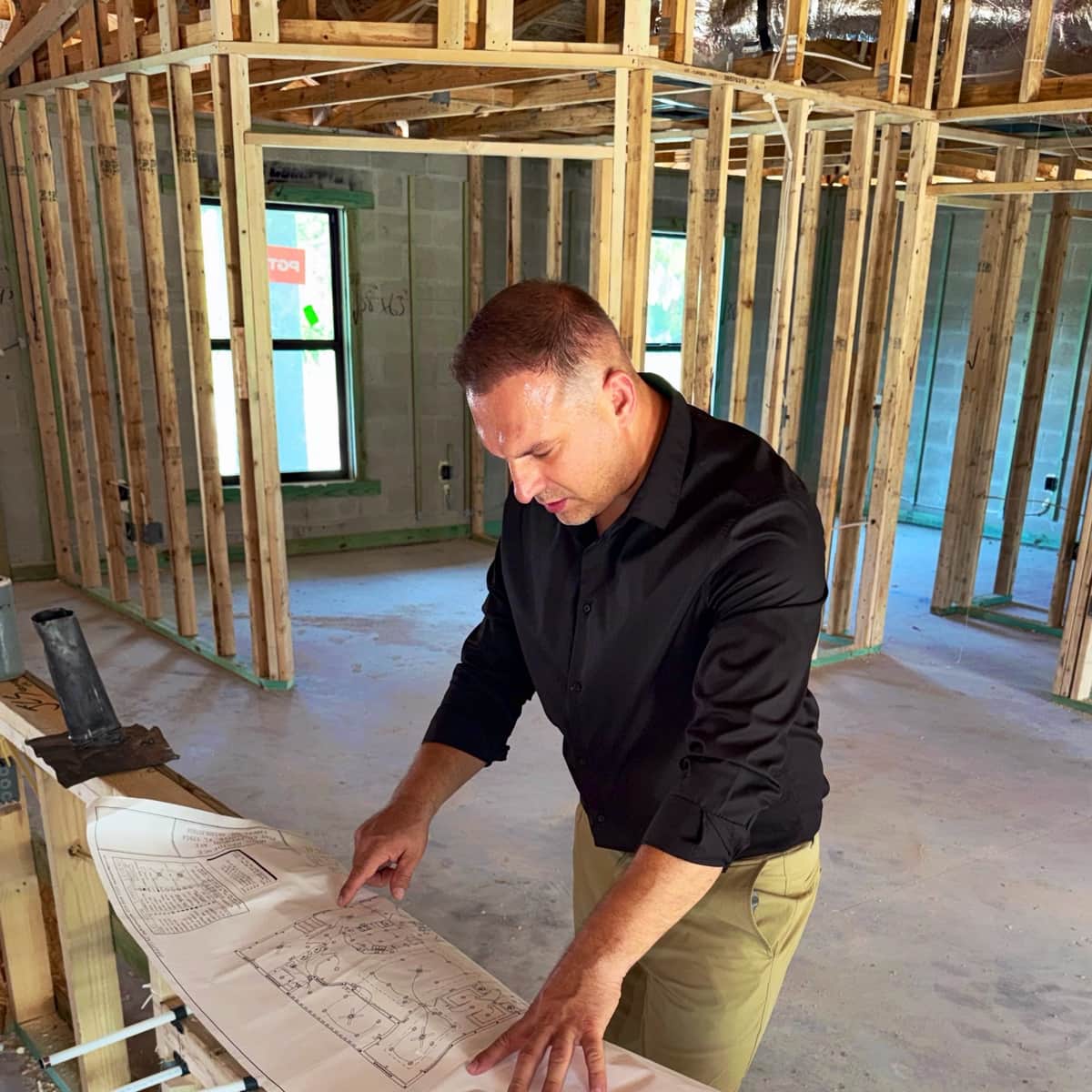
Start With the Legal Basics: Zoning, Title, and Deed Restrictions
A pretty lot doesn't mean a buildable lot. That's the first thing to accept. Zoning tells you what the county allows on that piece of ground, not what the seller says it's zoned for.
Charlotte County splits land into categories like single-family residential, mobile home, and agricultural. Each one carries its own rules on lot size, setbacks, and what kind of structure you can put there.
You can look up the zoning designation yourself through the Charlotte County Property Appraiser site. Or call the county's zoning division directly. Don't skip this step. We've seen buyers assume a lot was ready for a single-family home, only to learn later it sat in a zoning category meant for something else entirely.
• Confirm the exact zoning classification and what it permits, not just what a listing implies.
• Check minimum lot size and setback requirements against the parcel's actual dimensions.
• Ask whether the lot sits in a flood zone or special hazard area. That affects design and elevation later.
• Verify whether the parcel has legal, recorded access to a public road.
• Look for any pending zoning changes or overlay districts that could affect future use.
Title work matters just as much. A title search shows who owns the land free and clear. It uncovers liens, unpaid taxes, or old easements that never got cleared.
Some Port Charlotte lots, especially older platted parcels from decades-old land sales, carry utility easements or drainage rights. They limit where you can build. A title company or real estate attorney runs this search, not the seller and not you. Honestly, this is the part most people overthink.
Deed restrictions are a separate animal from zoning. These come from the neighborhood or subdivision itself, not the county.
So even if the county zoning allows a certain home size or a detached garage, a deed restriction or HOA covenant tied to the plat can still say no. Some older Port Charlotte platted communities have restrictions from the original developer. They still apply today, even decades later. These can limit home square footage, fencing, or accessory structures like carports. They don't show up on a standard property listing, you have to request the recorded plat and any covenants from the county clerk or a title company.
Here's the honest truth: none of this is complicated once you know where to look. But skipping it can cost you months of delay after closing. A licensed builder who works Port Charlotte regularly can help you read these documents before you sign anything, not after.
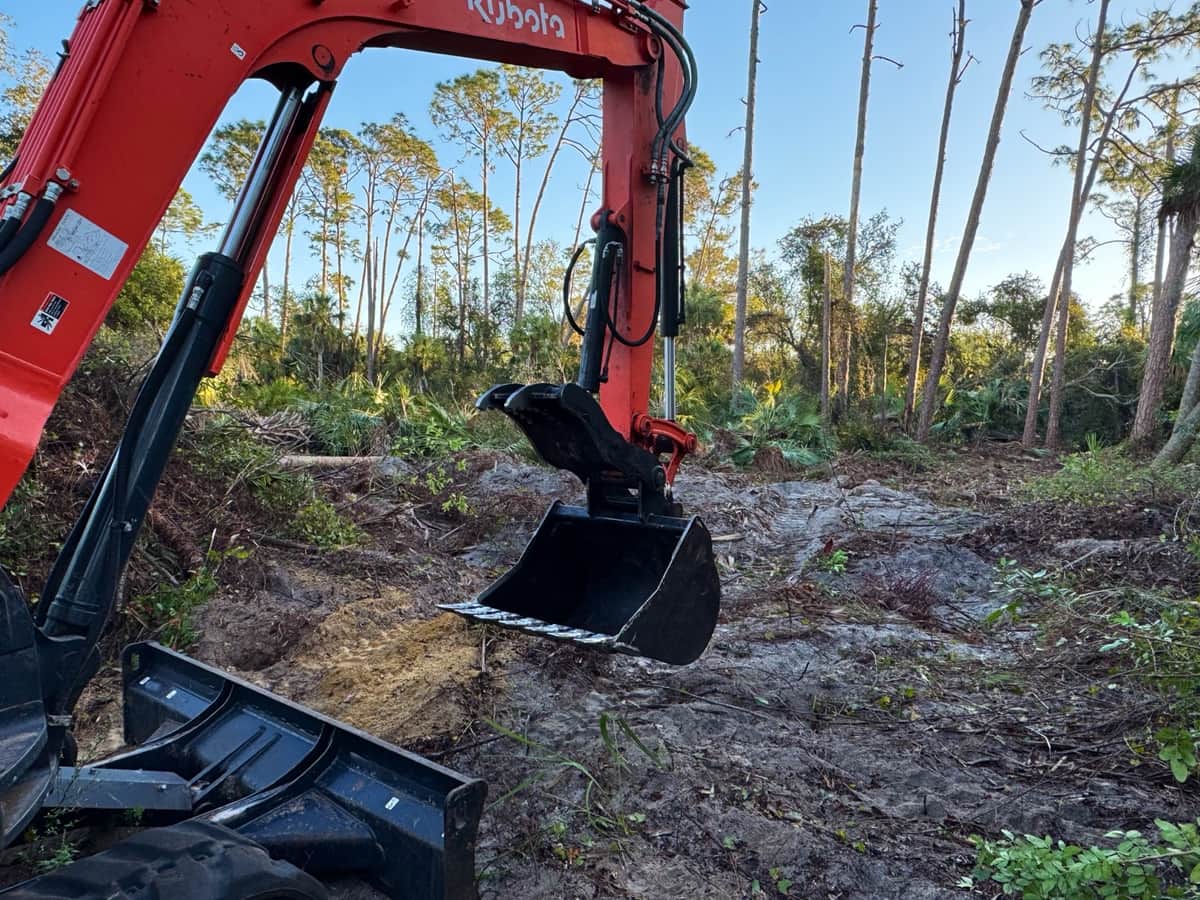
Why Flood Zone Status Deserves a Closer Look
Flood zone status changes almost everything about a lot. It affects how high you build, what your foundation looks like, and how much flood insurance will cost every year you own the home. Port Charlotte sits close to Charlotte Harbor and the Peace River. Many parcels here fall inside a mapped flood zone.
Some lots need a raised slab. Others need pilings. You won't know which one applies until you check the map.
FEMA keeps flood maps for every county. Charlotte County uses these maps to set base flood elevation requirements for new construction. Base flood elevation is the height your lowest floor needs to sit above during a major storm event. If a lot sits in an AE zone or a VE zone, the elevation requirement can add real cost to the build. And that cost needs to get figured out before you close, not after.
We've seen buyers fall in love with a canal-front lot, then find out later the elevation requirement pushed the design into a different budget range entirely. That's a hard conversation to have after the sale is done.
• Pull the FEMA Flood Insurance Rate Map for the exact parcel, not just the general area.
• Ask the county for the base flood elevation requirement tied to that address.
• Find out if the lot needs a certified elevation survey before permitting.
• Check whether the required foundation type is a raised slab or pilings.
• Get a written estimate for flood insurance premiums from an agent, since rates vary by zone and elevation.
A lot in an X zone carries lower flood risk and usually a simpler foundation. A lot in an AE or VE zone often needs a higher elevation and a different structural approach. Neither one is automatically a bad buy. But the cost to build compliant is not the same for each. Compare the two before you decide, not after you own the land.
This is exactly the kind of detail we walk through with homeowners during early planning. Flood zone status shapes the whole design before a single wall goes up. If you're weighing a lot purchase against what it will cost to build a home that meets Charlotte County's elevation rules, our custom home building service page lays out how we handle site evaluation, permitting, and design from day one.
Flood zone status alone won't tell you the whole story. But skipping it is one of the more common mistakes we see.
What a Survey Won't Tell You About the Ground Itself
A boundary survey tells you where your property lines sit. It does not tell you what kind of ground you're building on. That's a different question. And it's one a lot of buyers skip until it's too late.
Most vacant lots in Port Charlotte sit on flatwoods soil. Sand over a mix of shell and clay in places. The water table can sit close to the surface for parts of the year. A survey won't test any of that. It marks corners and, sometimes, elevation points if you pay extra for a topographic version. It won't tell you if the soil can support a slab foundation without extra fill. And it won't tell you how the lot drains after a summer storm.
So what reveals the ground condition? A few specific checks, each done separately from the survey.
• A geotechnical soil boring test. It checks bearing capacity and tells your builder what kind of foundation the lot needs.
• A perc test. Required if the lot will use a septic system instead of county sewer. Not every parcel drains fast enough for a standard drainfield.
• An elevation check against the road grade and surrounding lots. Low spots often need imported fill before permitting will even move forward.
• A review of any jurisdictional wetlands on or near the parcel. This falls under environmental review, not the survey.
Protected species are part of that same review. Charlotte County has active gopher tortoise ground and mapped scrub-jay review zones, and either one can change when you are allowed to clear. The FWC pages on gopher tortoise permitting and the Florida scrub-jay explain what triggers a review, and both are worth a look before you close on the lot.
Skip these and you're guessing. And guessing on soil condition is how a lot that looked like a bargain turns into one that needs thousands in fill dirt just to reach a buildable grade.
Here's the comparison that matters when you're deciding on a parcel: the asking price versus the documented cost to make it buildable. A lot priced low but sitting two feet under road grade may cost more once you add fill, compaction, and possibly a raised foundation design. A lot priced higher but already at grade with confirmed soil bearing capacity might be the better deal.
This is where a lot of buyers get surprised. Not because the ground is bad. But because nobody looked at it before closing.
Get a soil boring and elevation check done before you close, not after. If the numbers don't match what the listing implied, you want to know while you can still walk away or renegotiate.