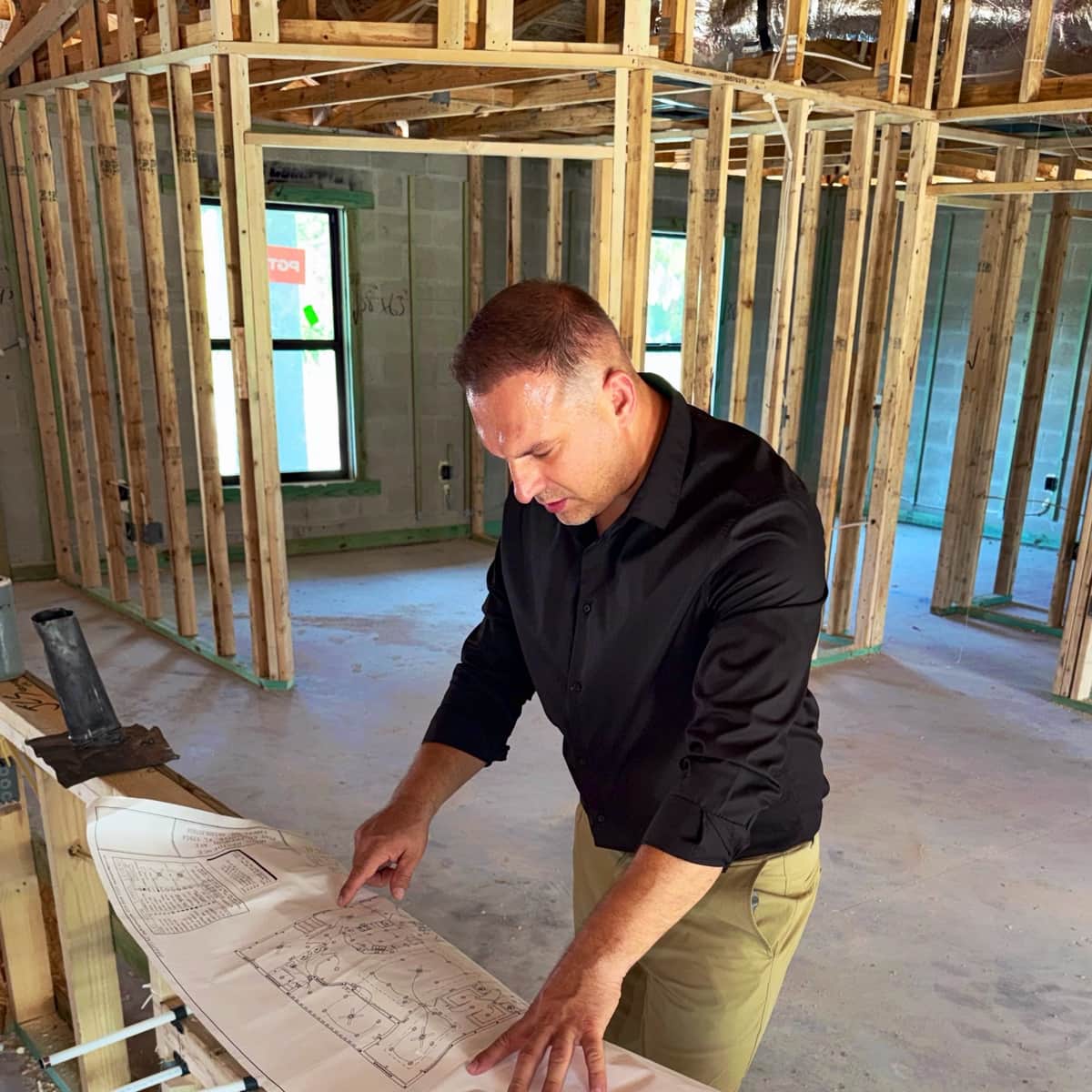
Why Waterfront Kitchens Face a Different Set of Challenges
A kitchen a few blocks from Charlotte Harbor leads a tougher life. Salt in the air settles on hinges and range hoods. It even gets to wall studs. Humidity stays higher near the water, most of the year. And that combination speeds up corrosion.
It warps wood not sealed right. Finishes get stressed. (Things that would hold up fine inland just don't here.)
Flood elevation is the other thing people often miss. Many Punta Gorda waterfront lots sit in flood zones. These zones set a minimum height for living spaces. That includes your kitchen floor. Renovate below that line, and you can hit permit issues later. This isn't meant to scare you, but it’s how FEMA flood maps work with local building codes. It's just a fact of building here.
So, what changes in the plan? A few things. They add up fast.
• Cabinet materials need to resist swelling and hinge corrosion from salty humidity. Looks aren't enough.
• Appliances and electrical near sinks or exterior walls might need extra corrosion resistance. Placement matters.
• Flood elevation rules can shift plumbing lines and lower cabinets.
• Window and door openings near the kitchen may need wind-rated products. Especially if they're exterior.
• Ventilation has to work harder. It manages moisture behind walls and under cabinets.
None of this means a waterfront kitchen has to look different. The choices behind the walls just matter more. We see this mistake a lot.
Homeowners pick a beautiful cabinet line. It's made for a dry inland climate. Then the doors swell in a couple of years. It’s frustrating.
Here’s the real question before you sign off: Will this material, this layout, this appliance still work well in five years of harbor air? A kitchen near the water built without answering that question often needs rework. Sooner than you'd think.
That's the gap a clear written scope and one licensed builder close. One person is accountable. From the first drawing to the final walkthrough. Checking flood elevation, wind exposure, and moisture resistance. All against the real permit rules for your address. Not some generic checklist.
How Humidity and Salt Air Wear Down Kitchen Materials
Homes along Charlotte Harbor and the Punta Gorda canals face conditions inland kitchens never do. Salt-laden air moves through almost daily. Add Southwest Florida humidity, and you get a slow chemical process. This works against your cabinets, hardware, and countertops.
Most homeowners don't see it until rust spots or swollen wood show up. By then, the damage has been building for years. It's a quiet enemy.
Salt air is corrosive. It carries tiny particles. These settle on metal surfaces. Then oxidation starts faster than dry inland air ever would. Humidity makes it worse. Moist air holds onto that salt. It keeps it touching your cabinet hinges, faucet finishes, and appliance trim.
• Cabinet hardware and hinges corrode faster near open water. Especially unlacquered brass or basic steel.
• Particleboard cabinet boxes swell and delaminate. This happens when humidity gets past weak seals.
• Stainless appliances can get surface rust or pitting. The grade must be built for coastal exposure.
• Grout and caulk break down quicker. Moisture then reaches subfloors and cabinet backs.
• Wood trim and doors warp or stick. They absorb and release moisture with the seasons.
Cabinet boxes tell the story fastest. Standard particleboard construction is common in older homes. It wasn't made for this climate. Once moisture gets past the laminate edge, the board swells. Doors stop closing right. Shelves sag. It’s a slow, real failure.
Countertop seams matter too. Natural stone with poor sealing lets moisture creep underneath. Over time, that weakens the bond to the base cabinet. Laminate edges are worse. Once the seal breaks, water gets in. There's no fixing it. Only replacing it.
Ventilation plays a bigger role than most people expect.
A kitchen without proper exhaust traps cooking steam and outside humidity. That trapped moisture speeds up every problem mentioned here. A remodel plan should look at airflow, not just finishes. It makes a real difference.
None of this means waterfront living rules out a good kitchen. It just means the materials and construction details must match the environment. A written scope that specifies corrosion-resistant hardware, marine-grade finishes where needed, and proper moisture barriers behind cabinets makes a big difference. Over the next decade, not just the next year.
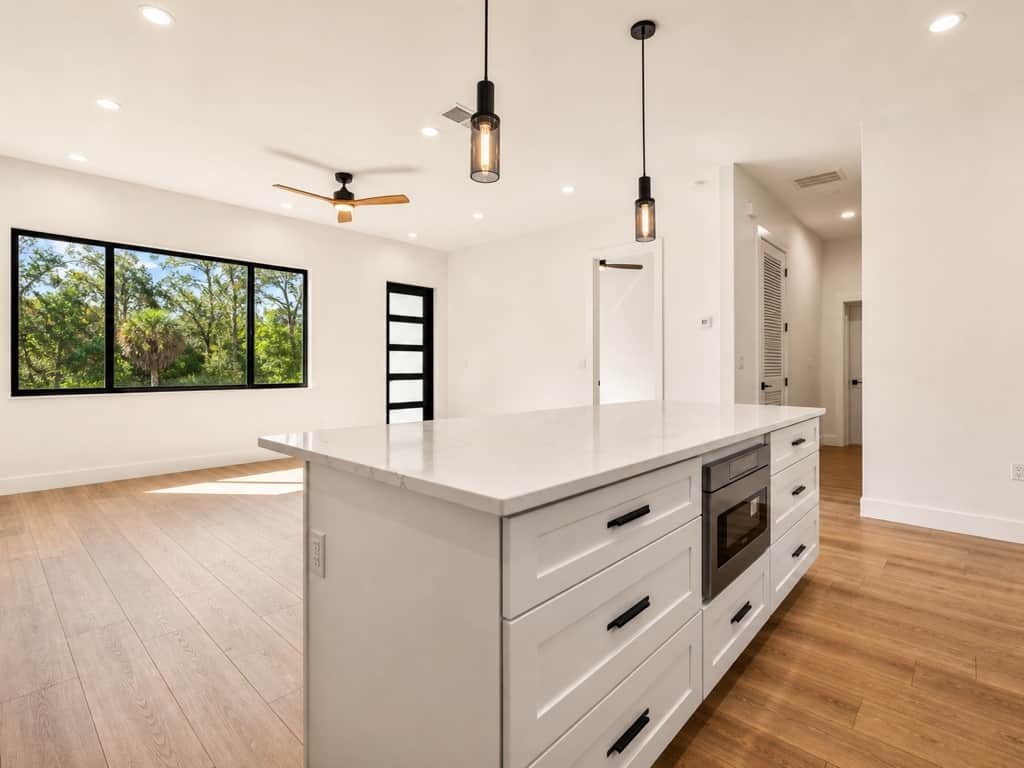
What a Remodel Can Reveal Behind Your Cabinets
Pulling out old cabinets is where the real story starts. Kitchen remodeling in Punta Gorda waterfront homes almost always uncovers something new. Sometimes it's minor. Sometimes it changes the whole scope of the job. (You never know what you'll find!)
Homes near the water get more moisture than inland houses. Salt air, canal humidity, older plumbing. All of it adds up. Once demo begins, that history becomes visible.
• Soft or discolored subfloor near the sink base. This often comes from slow leaks under old cabinets.
• Corroded supply lines or shutoff valves. These were sometimes never replaced during earlier updates.
• Electrical wiring that doesn't meet current code. Common in homes built before newer standards.
• Mold or mildew staining in interior wall cavities. Especially behind sinks and dishwashers.
• Signs of past water intrusion from storms. Sometimes patched over, not fully repaired.
None of this means your kitchen is unsafe right now. But a remodel is the time to deal with it. The walls are open. Fixing plumbing or wiring then costs less trouble than doing it later. As a separate project.
Older waterfront homes around Port Charlotte and Punta Gorda often share this pattern. Cabinets get replaced over the decades. What’s underneath rarely gets a full look. It's a blind spot.
That's the risk with cosmetic-only updates.
So what happens if a contractor finds rot or corrosion mid-project? A licensed builder should stop. Document it. Then walk you through the fix before moving forward. You should get that plan in writing, not a verbal promise. This kind of finding is why a clear written scope matters. From day one. It sets expectations for the unexpected.
Think of a kitchen remodel as two jobs at once. There's what you see. And what you don't. The cabinets, counters, and finishes are visible. The plumbing, wiring, and framing behind them are just as important. Even though they'll be covered up again.