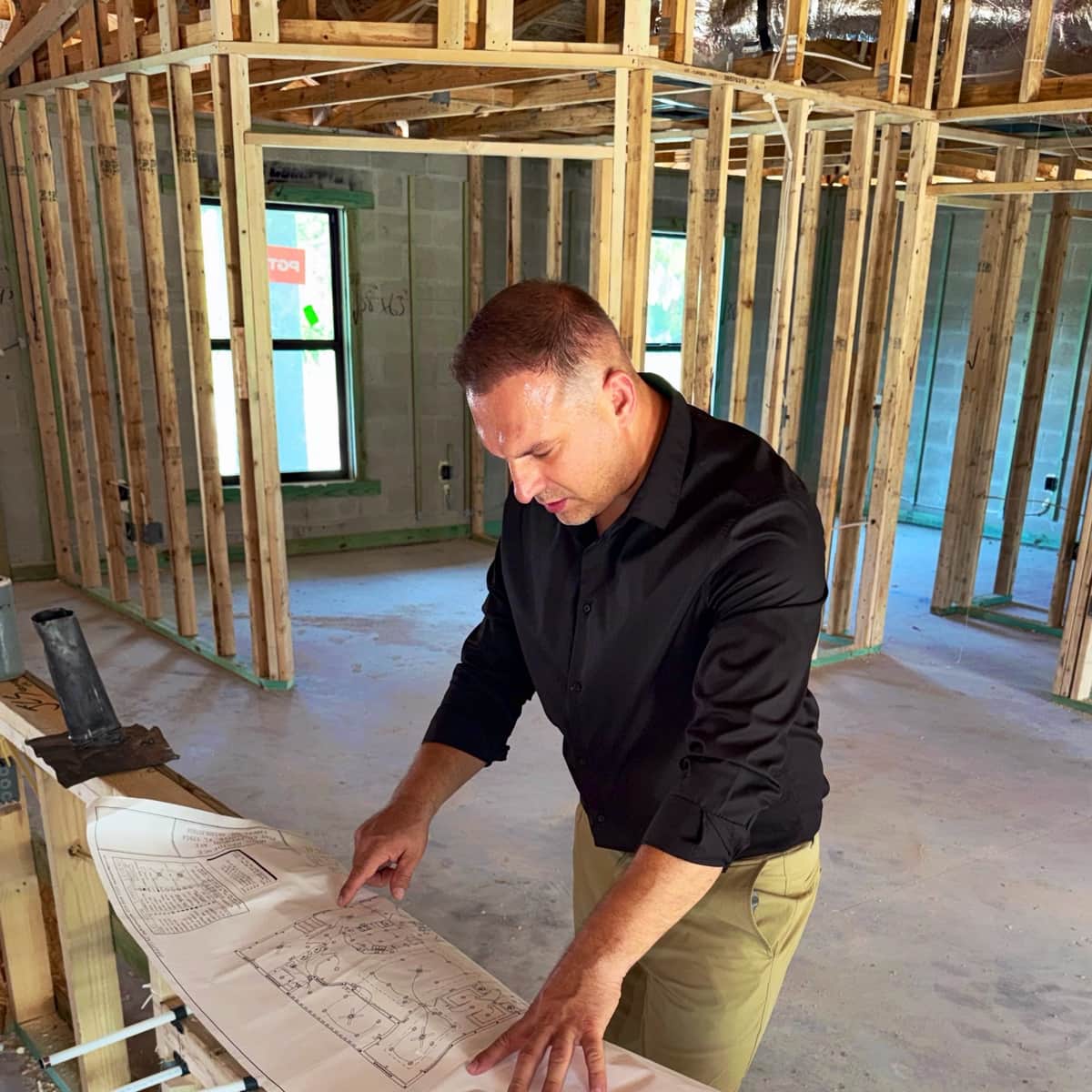
Why the Right Questions Matter More Than a Checklist
Anyone can hand you a list of questions. Plenty of builders in Southwest Florida have seen these checklists. Some know exactly how to give the answer that sounds right. That's the problem here. A checklist only works if you know what a strong answer sounds like versus a weak one dressed up in confident language.
Take a question like, who pulls the permits. Every builder says yes, they handle it. But the real question is if they can explain how Charlotte County's flood zone requirements or wind-load standards affect your specific lot. If the answer stays generic, that's worth noticing.
This matters in Port Charlotte. A lot of the area sits in flood zones that need elevation certificates and specific foundation approaches. Wind design speeds here run higher than most of the country, and the Florida Building Code holds every structure to them. A builder who can walk you through how those rules apply to your project, not just recite that they follow code, is showing you something a checklist alone can't capture.
• Does the answer name specific permits or codes, or just say 'we handle everything'?
• Can the builder explain how your lot's flood zone affects the foundation plan?
• Do they mention wind-rated materials or connections without being prompted?
• Is there one licensed person accountable for answers, or does responsibility get passed around?
• Does the scope discussion sound rehearsed, or does it reference your actual project?
The goal isn't just asking all 15 questions. It's paying attention to whether the answers are specific to your project. Or generic enough to fit any homeowner's file. A written scope that names your lot, your flood zone, and your materials tells you more than a friendly conversation ever will.
We've found that homeowners who slow down here save themselves headaches later.
Think about it. Would you rather find out mid-construction that no one confirmed your elevation requirements? Or find that out before you sign anything? The questions matter because they force clarity early, when changes are still simple.
Questions About Experience, Licensing, and References
This is where a lot of homeowners get nervous. They should slow down here. Anyone can print a business card that says 'custom home builder.' Not everyone can legally build your house. Before you sign anything, you need real answers about who this person is and what they've built.
Start with the license. In Florida, a home builder needs a state contractor license, a Certified Residential Contractor or a Certified General Contractor, issued by the Department of Business and Professional Regulation. You can look up any license number on the DBPR website in about two minutes. Do it before the meeting, not after. If the license is inactive, expired, or doesn't match the name on the contract, that's your answer.
• Are you the licensed qualifying agent on this project, or is that someone else at the company?
• How long have you held a Florida general contractor license?
• Do you carry general liability insurance and workers' compensation coverage?
• Can you give me three references from homes built in Charlotte County in the last two years?
• Who on your crew will be on site day to day?
That last question matters more than people think. We see this pattern in the industry. A builder wins the client, then hands the project to someone the homeowner never met. Ask who's accountable from the first permit application to the final walkthrough. One name, one license, one point of contact. That's the standard you want.
References tell you things a license number never will. Call them. Ask how the builder handled a problem, not just whether the house turned out fine. Every project hits a snag. A delayed inspection. A supply issue. A weather delay near the coast. What matters is how the builder communicated. Did they call you, or did you have to chase them down?
Experience in Southwest Florida specifically counts for something. Wind load requirements, flood zone rules, and soil conditions in Port Charlotte aren't the same as a builder's past work in another state. Or even another part of Florida. Ask directly, how many homes have you built in Charlotte County? And are you familiar with the local building department's process? A builder who hesitates on that question probably hasn't done it enough times to know the pitfalls.
If you want to see how this fits into the bigger picture of hiring a custom home builder, our main service page walks through the full process from planning to final walkthrough. It's worth a look before you sign with anyone.
Don't skip this step. It might feel awkward to ask. A builder confident in their license and their work won't mind the questions. But if they do mind? That tells you something too.
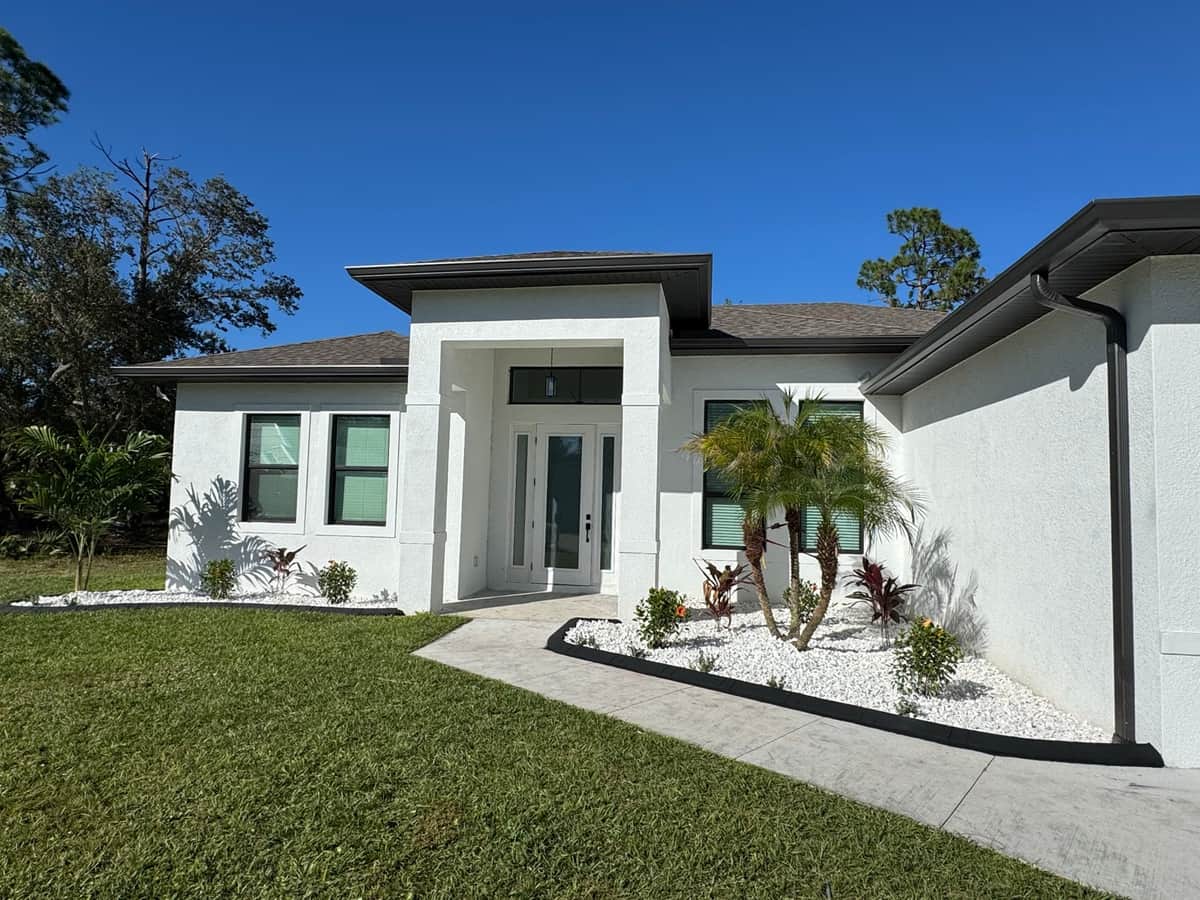
Questions About Contracts, Change Orders, and Allowances
A contract is the backbone of any custom home build. It should spell out exactly what you're getting, not just a rough idea. Before you sign anything, ask the builder to walk you through the scope line by line. If they rush this part, that's a red flag.
Allowances trip up a lot of homeowners. An allowance is a set amount budgeted for something like flooring or fixtures. This happens before you've picked the exact product. Ask what happens if your choices cost more than the allowance. Ask what happens if you choose less. A builder should explain this in plain terms. Not gloss over it.
• What exactly is included in the base contract price, item by item?
• Which allowances are built in, and how were those amounts calculated?
• What happens if I go over an allowance amount, or under it?
• How are change orders documented, priced, and approved in writing?
• Who has to sign off before extra work starts, and when does that cost get added?
• How are delays caused by permitting or weather handled in the contract language?
Change orders are where a lot of friction happens on a build. Say you decide mid-project to move a wall or upgrade a countertop. That's a change order. It should always be in writing, with a clear price and a signature from both sides before the work happens. If a builder tells you verbal changes are fine, don't accept that. Get it on paper, every time.
We've seen homeowners get burned by vague contracts more than once. One common scenario: a family assumes their allowance covers name-brand tile. Then they find out mid-project it only covers builder-grade material. That gap turns into a tense conversation halfway through a kitchen remodel or a custom build. A clear, itemized contract prevents this in the first place.
Here's a simple question that tells you a lot: ask the builder how they'd handle a change order if you wanted to add a lanai enclosure mid-build. A good answer includes a written estimate. A signed approval. And a clear timeline adjustment. A vague answer means you should keep asking.
Before you sign, get everything in writing. Every allowance. Every change order process. Every condition tied to weather or permitting delays.
This is exactly the kind of detail we walk through with Port Charlotte homeowners during the planning stage of our custom home building process. Nothing gets left to guesswork once construction starts.